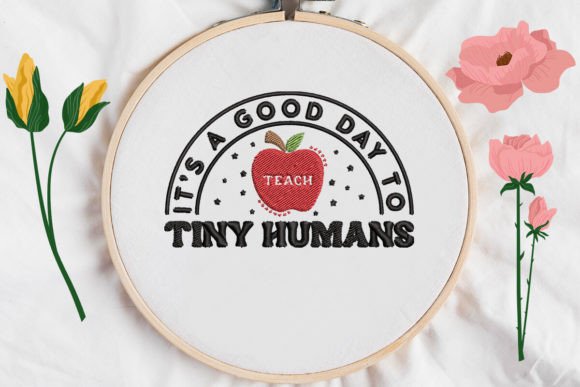
It's a Good Day to Teach Tiny Humans Design Review
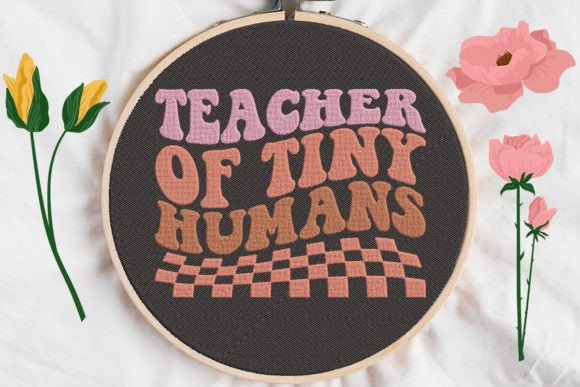
As I prepare my booth inventory for the upcoming weekend craft fair, I am constantly evaluating which digital assets will translate best into physical sales. When reviewing the Its a Good Day to Teach Tiny Humans machine embroidery design, my immediate assessment is that this file possesses high commercial viability for the Back To School season and year-round teacher appreciation markets. The title alone suggests a whimsical yet relatable sentiment that resonates deeply with educators, homeschool parents, and childcare providers. From a production standpoint, this design feels like it strikes the perfect balance between cute novelty and wearable pride, making it an excellent candidate for batch production on various handmade products.
First Impressions and Market Viability
Upon loading the embroidery file into my software, the first impression is one of approachable charm. Unlike overly complex or dense designs that can look stiff on fabric, this design appears to embrace a fun and whimsical accent style. For an Etsy seller or boutique maker, this aesthetic is crucial because it photographs well and reads clearly from a distance at a crowded market table. The phrase itself acts as a conversation starter, which is invaluable for booth engagement. Customers often stop to read funny or sentimental text before they even evaluate the stitch quality, giving you a distinct advantage in foot traffic conversion.
This design does not feel strictly utilitarian; it carries an emotional weight that increases the perceived value of the finished product. Whether positioned as a modern farmhouse piece or a bright, colorful graphic, it avoids looking generic. For those of us running a small shop product line, having a versatile design that bridges the gap between professional educator gear and casual mom-wear is essential for maximizing return on investment.
Best Product Applications for Craft Fairs
Determining where to place this design is just as important as the stitching itself. Based on the description suggesting t-shirts, towels, and home decor, here is how I evaluate its performance across specific craft fair products:
- Tote Bag Design: This is arguably the strongest application. Teachers carry heavy loads, and a canvas tote featuring this sentiment serves as both a functional item and a badge of identity. The flat surface of a tote allows for crisp registration, ensuring the text remains legible.
- Tea Towel Embroidery: Kitchen linens are staple sellers. However, because tea towels have a textured weave, this design works best if it utilizes open fills rather than solid satin blocks. It makes for a perfect gift item that customers grab impulsively when shopping for teacher gifts.
- Apron Embroidery: For art teachers, cooking instructors, or preschool staff, an apron is practical. Placing this design on the chest area creates immediate visibility. Ensure the hoop size accommodates the placement without distorting the garment's drape.
- Embroidered Patch: Creating patches allows for modular selling. Customers who do not want a full shirt might buy a patch to iron onto a denim jacket or backpack. This expands your customer base to include students and parents, not just teachers.
- Caps and Hats: While trendy, caps present challenges due to curvature. If the design includes small lettering or intricate details, test it thoroughly on a curved surface first. Distortion can ruin the readability of the message.
Production Practicalities and Technical Notes
For commercial embroidery success, we must look beyond the screen preview. When preparing this machine embroidery design for batch production, pay close attention to stitch density and stabilizer choices. The description mentions adding charm to fabrics, but charm should never come at the cost of durability. If the design contains dense fill stitches, using a lightweight knit fabric could result in puckering or tunneling. Always pair the correct stabilizer with your fabric texture; a cutaway backing is generally safer for stretchy t-shirts, while tear-away may suffice for stable woven totes.
Small lettering is a common pitfall in text-based embroidery files. Before committing to a production run, verify that all text elements remain clear at your intended size. Reducing a design by 20% might make it fit a pocket, but it could also cause thread breaks or illegible characters. As a professional designer, I always recommend testing the design on scrap fabric identical to your final product. Check thread colors against dark versus light backgrounds to ensure sufficient contrast. A whimsical design loses its impact if the thread blends too much into the fabric.
Furthermore, consider the repeatability of the design. Does it align consistently in the hoop? Are there excessive jump stitches that require manual trimming? Time spent trimming eats into profit margins at a craft fair. Efficient digitizing means faster turnaround times and higher profitability for your handmade business.
Visual Appeal and Booth Display Strategy
The visual appeal of Its a Good Day to Teach Tiny Humans directly influences buyer engagement. At a market, your display needs to communicate the vibe instantly. Because this design leans into humor and heart, your booth samples should reflect that warmth. Avoid sterile white displays; instead, use natural wood tones, chalkboard signs, or colorful school supplies as props to contextualize the embroidered items.
For online sellers, this design translates beautifully to printable mockups and lifestyle photography. Digital buyers want to see how the embroidery file looks on realistic garments. However, nothing sells better than a real photo of a finished product. Show the texture of the stitches and the drape of the fabric. Highlight the versatility by displaying the same design on a pillow cover next to a t-shirt, demonstrating to customers that this isn't just a shirt design—it is a lifestyle brand element.
Essential Designer Checklist Before Selling
Before listing this as a new arrival or stocking your shelves, run through this professional checklist to ensure quality and compliance:
- Verify Licensing: Confirm that your purchase of the digital embroidery file includes commercial licensing for finished products. Never assume rights transfer automatically.
- Test Stitch-Out: Never skip the test sew. Inspect spacing, tension, and clarity on the actual material you intend to sell.
- Check Hoop Compatibility: Ensure the design fits comfortably within your hoop size with adequate margin for stabilization. Overstretching leads to misalignment.
- Evaluate Fabric Pairings: Test on thick towels and thin cottons alike. Adjust needle size and top thread tension as needed for different substrates.
- Create Physical Mockups: Photograph at least one real sample for your Etsy listings or social media. Authenticity drives trust.
- Review Colorways: Offer variations. A neutral palette appeals to minimalist buyers, while bright primaries attract the traditional Back To School crowd.
Ultimately, Its a Good Day to Teach Tiny Humans represents more than just stitches; it is a connection point between maker and wearer. By approaching this design with technical diligence and marketing foresight, you transform a simple embroidery file into a best-selling asset for your creative business. Whether you are selling digital assets or finished goods, respecting the nuances of production ensures that every item leaving your studio upholds the quality your customers expect.